Agriculture: Measures, Yes... But Still Waiting for Implementation
Par Rédaction Flash Radio | | Catégorie : Économie
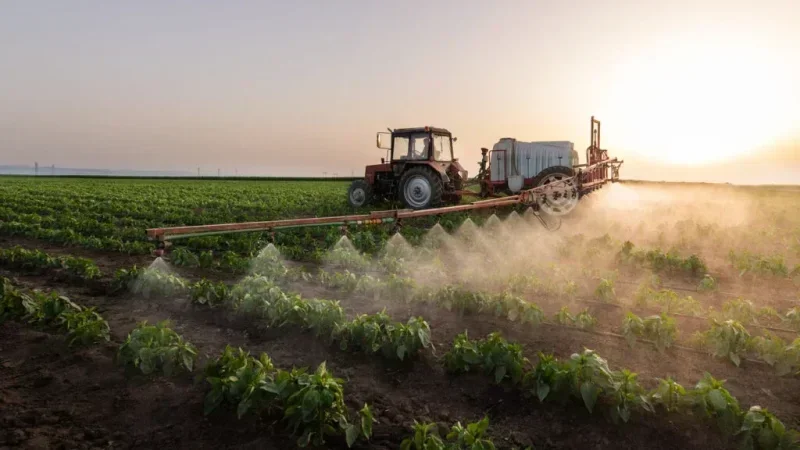
Recent finance laws include ambitious agricultural measures, but their implementation remains blocked. This delay threatens the viability of the sector
Recent finance laws include ambitious agricultural measures, but their implementation remains blocked. This delay threatens the viability of the sector, essential to the Tunisian economy. What are the key actors and challenges at play? ⏱️ 1 min read
The inadequacy of agricultural policies over several decades forms the basis of this situation. Despite repeated promises, successive governments have often prioritized other sectors, leaving agriculture in a state of underinvestment. This trend is explained by an economic vision centered on industry and services, at the expense of natural resources and rural employment. Past failures have exacerbated current challenges, notably dependence on imports and vulnerability to climate crises. In a Mediterranean context marked by water tensions and climate change, Tunisia faces common challenges among southern Mediterranean countries. The delay in implementing concrete measures risks leaving the sector in a state of stagnation, contrary to the ambitions of food autonomy. Regional institution analyses highlight that agricultural modernization is crucial for economic resilience and food security. Tunisia, lagging in this area, must anticipate growing pressure from international partners. The coming weeks should see reform announcements, particularly at the agricultural conference planned for May. Sector actors demand greater transparency and precise timelines to avoid delays.
⚡ Key Points
▸ The delay in implementing agricultural measures threatens the profitability of Tunisian farms.
▸ Agriculture has long been marginalized in economic policies, exacerbating current challenges.
▸ Delays in implementation risk undermining the credibility of authorities and worsening