Gabès: Coastal Oases at the Door of UNESCO Heritage?
Par Rédaction Flash Radio | | Catégorie : Culture
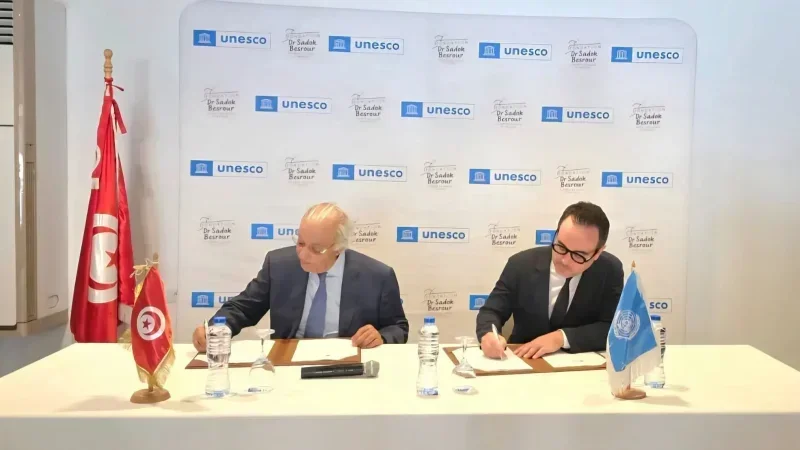
✅ Good news — Flash Radio shares this positive update with you The signing ceremony of the candidacy of Gabès coastal oases for UNESCO took place in the presence of the regional delegate for Cultural
✅ Good news — Flash Radio shares this positive update with you The signing ceremony of the candidacy of Gabès coastal oases for UNESCO took place in the presence of the regional delegate for Cultural Affairs. This initiative marks a turning point in the preservation of Mediterranean heritage sites, essential to regional identity and biodiversity. ⏱️ 2 min read The facts and recent developments The history of Gabès oases dates back centuries of adaptation by populations to extreme climatic conditions. These areas, both sources of fresh water and sites of resistance against the desert, have been preserved thanks to traditional agricultural practices. Their candidacy fits within a logic of local resource valorization, following initiatives such as the 2020 project for the preservation of irrigation systems. Their strategic position, straddling the Mediterranean and Tunisia, makes them a symbol of the interdependence of ecosystems and cultures in Southern Mediterranean. This move reveals a dual challenge: on one hand, the international recognition of a heritage threatened by climate change, on the other, the need to balance preservation and development. Experts highlight that UNESCO could provide funding for restoration projects, as well as promote sustainable tourism. In the Mediterranean, where deserts and seas meet, these oases embody a response to the ecological crisis, showing how traditions can coexist with innovation. Their inscription on the UNESCO list could become a lever for regional cooperation, inspiring other countries to value their natural resources. The next steps include an evaluation of the sites by international experts, followed by a vote in 2024. The regional delegate emphasized the importance of local involvement, including agricultural know-how and the use of natural resources.