Salakta: A Concentration of Civilizations in Few Kilometers of Coast
Par Rédaction Flash Radio | | Catégorie : Actualité
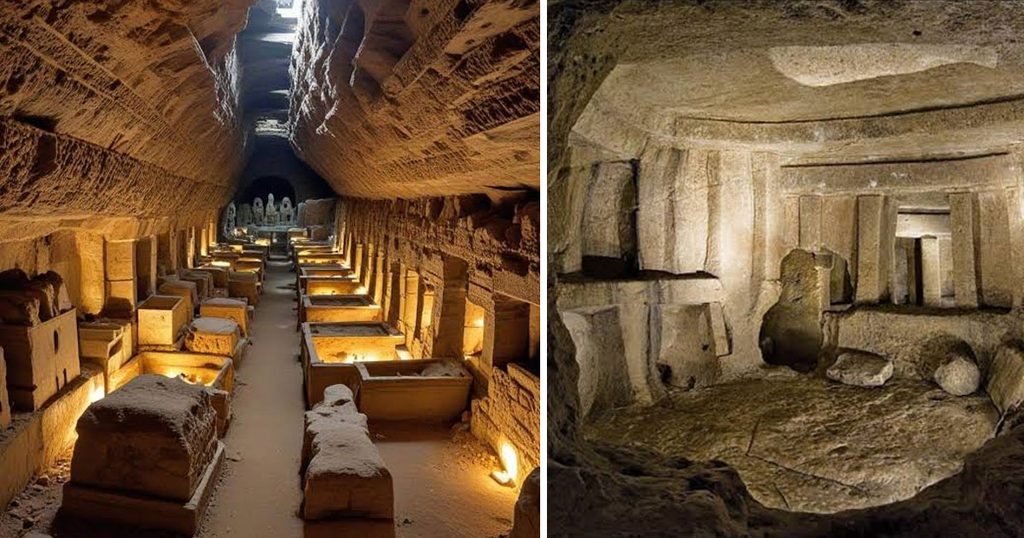
⚠️ Urgent Information — Flash Radio is following this situation in real time. At Salakta, south of Mahdia, the earth hides secrets: Christian catacombs and the remains of Sullecthum, an ancient Roman
⚠️ Urgent Information — Flash Radio is following this situation in real time. At Salakta, south of Mahdia, the earth hides secrets: Christian catacombs and the remains of Sullecthum, an ancient Roman city. This place, where sea and history meet, becomes a unique testimony of Mediterranean civilization. ⏱️ 1 minute read. The facts and recent developments Sullecthum, an ancient Roman port city, was a key node in the Mediterranean trade network. It exported fish products, oil, and amphoras, its merchants significant enough to be depicted on a mosaic from the ancient Ostia, in Rome. This link with Roman trade routes highlights its strategic role. The presence of Christianity is attested by epigraphic evidence and ecclesiastical sources, including Bishop Marcianus, whose episcopal seat was mentioned in 394 by Saint Augustine. 'Mosaic of the Merchants of Sullecthum' This testimony underscores an ancient Christian settlement linked to the Roman Empire. The catacombs of Salakta reveal Christian funerary practices rooted in the Roman context. The apse of the catacombs, interpreted as a religious site, suggests the integration of faith into funerary rituals. This site, both Christian and Roman, embodies a convergence of civilizations. Its study offers a prism to understand the interactions between religion, economy, and urbanism in the ancient Mediterranean. Ongoing research continues to unveil links between Tunisian funerary practices and Christian traditions of the Empire.
⚡ Key Points ▸ Hundreds of loculi, organized in six levels, attest to a complex funerary organization in the catacombs of Ghar Edhbaa. ▸ The depiction of merchants of Sullecthum on a mosaic from Ostia highlights its key role in Roman trade networks. ▸ The apse of the catacombs, interpreted as a religious site, reveals a funerary practice